
RETROFIT FIRE SPRINKLER SYSTEMS FOR EXISTING BUILDINGS
Replace or install a new fire sprinkler systems without inconveniencing occupants.
RETROFIT FIRE SPRINKLER SYSTEMS FOR EXISTING BUILDINGS
Replace or install a new fire sprinkler systems at a great value without inconveniencing occupants.
Retrofitting a fire sprinkler system into an existing building requires careful planning around occupants, access, existing services and the fabric of the property. Whether the project covers a single home, a high-rise residential block or another approved building type, the aim is to introduce effective fire protection while limiting avoidable disruption during installation.
BlazeMaster® CPVC provides a lightweight, corrosion-resistant piping option for approved retrofit fire sprinkler system applications. CPVC pipe can be cut on site and joined using solvent cement, without the welding or pipe-threading processes associated with some metallic systems. This can simplify installation where a building needs to remain in use while work progresses.
Planning a Fire Sprinkler Retrofit
A fire sprinkler retrofit should begin with an assessment of the building, its occupancy and the standard that applies to the project. Existing layouts, ceiling construction, riser locations, water supplies, access routes and other building services can all affect the final design.
In occupied residential buildings, planning also needs to account for how installers will move through homes and shared spaces. Surveys, resident communication and a clear programme of works help establish what access is required, which rooms will be affected and how work can be coordinated around occupants.
Pipe routes should be coordinated with electrical, mechanical and other services wherever possible before installation begins. Where pipework is to be concealed, the project team should also consider how ceilings, boxing or other finishes will be accessed and reinstated.
Reducing Disruption in Occupied Buildings
One of the main challenges of a retrofit sprinkler system is completing work around people who continue to live, work or study in the building. Installation methods can therefore influence both the programme and the experience of occupants.
BlazeMaster CPVC pipe is lightweight and joined using a solvent-cement process. Pipe jointing does not require welding or noisy pipe-threading machinery. On suitable projects, this can reduce noise, heavy equipment and hot-work activity within occupied areas.
The material can also be cut to the required length on site, helping installers accommodate existing structures and services. These characteristics do not remove the need for access, drilling, supports, system testing or reinstatement, but they can make the pipework stage of a fire sprinkler retrofit easier to coordinate.
Where Can a Retrofit Sprinkler System Be Used?
BlazeMaster CPVC pipe and fittings are listed by the BRE Global Loss Prevention Board and Underwriters Laboratories for approved fire sprinkler applications, including light-hazard and residential occupancies and certain ordinary-hazard installations.
Typical retrofit applications can include:
- Schools and educational buildings
- Offices and other approved light-hazard commercial spaces
- Healthcare, care and nursing environments within the relevant listing conditions
Specifying BlazeMaster® CPVC for Retrofit Fire Sprinkler Systems
Retrofit projects benefit from early coordination between the building owner, fire sprinkler designer, installer and other project teams. Confirming the design standard, occupancy classification, available water supply, pipe routes and access strategy early can reduce the need for changes once work reaches occupied areas.
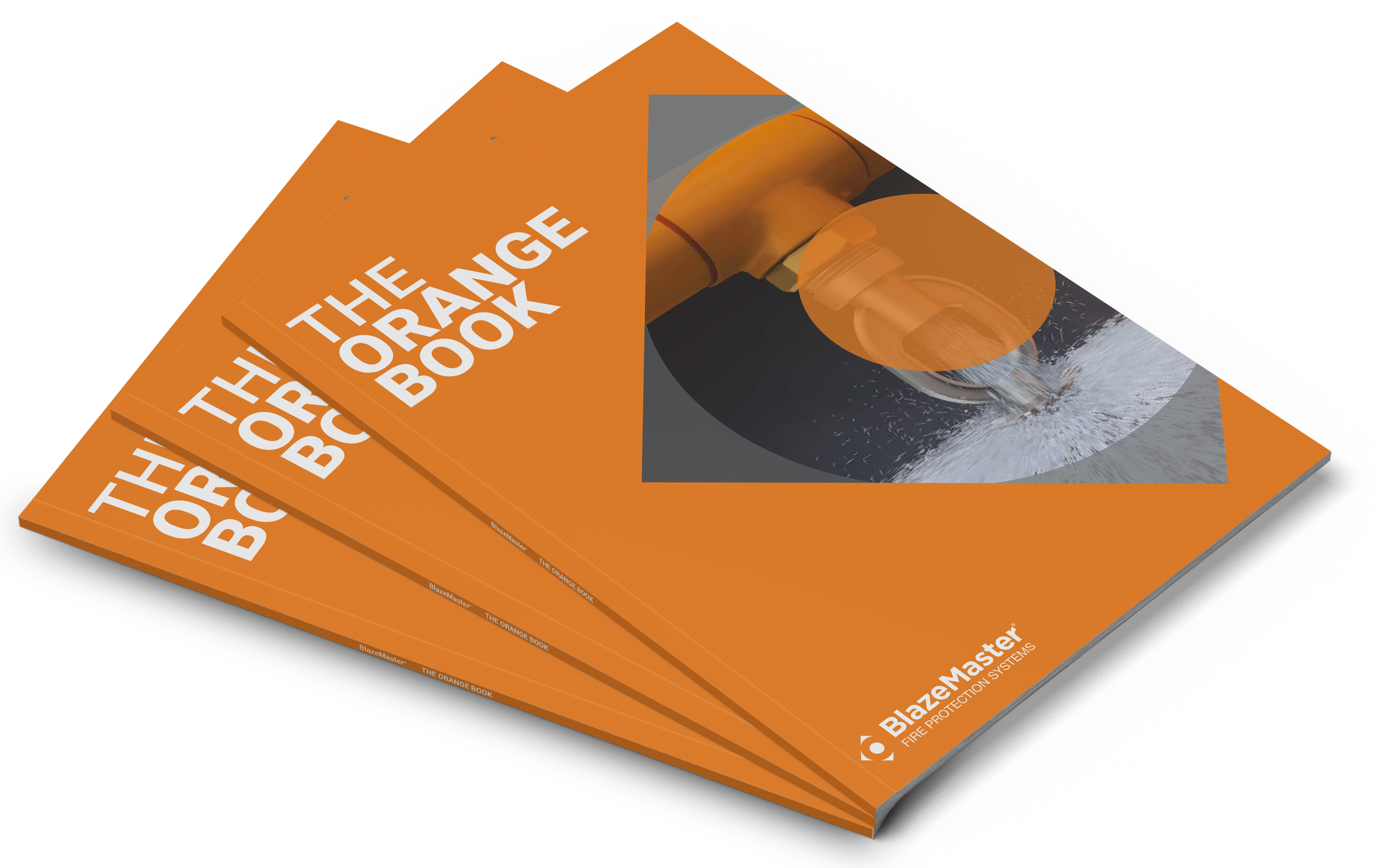
The Orange Book brings together relevant standards guidance, LPCB information and BlazeMaster CPVC product data for specification work. The online Specification Generator can also be used to start the specification journey.

Fire Sprinkler Retrofit Standards & Regulations
The design standard for a retrofit fire sprinkler system depends on the building type and jurisdiction. BlazeMaster CPVC is approved for applications defined under standards including BS 9251, BS EN 12845 and relevant NFPA standards. LPS 1260 and LPCB guidance also form part of the approval and specification framework for relevant projects.
Standards and product listings should be considered together. The applicable design standard sets requirements for the sprinkler system, while product listings establish where and how the pipe and fittings are approved for use. Local building regulations, fire strategy requirements and authority approvals may also affect a fire sprinkler retrofit and should be established during planning.
The Orange Book provides specification information for designers, specifiers and construction professionals working with CPVC fire protection systems. It brings together guidance on standards and regulations, BS 9251, BS EN 12845 hazard classifications, LPCB guidance and BlazeMaster CPVC product information.
Retrofit Success Stories
As the most specified nonmetallic fire suppression system in the world, from social housing to high rise blocks to heritage sites, BlazeMaster CPVC’s proven track record speaks for itself.
Birmingham City Council
A much larger programme in Birmingham involved sprinkler protection across 205 high-rise residential blocks. Around 9,000 individual dwellings were protected, with approximately 65,000 sprinkler heads installed in dwellings and some common areas. The project demonstrates the importance of logistics, resident communication and repeatable installation methods when a retrofit sprinkler system is delivered at scale.
Barton Village
At Barton Village, limiting disruption to existing tenants was an important part of the retrofit brief. Tenant liaison officers spoke with residents about what to expect before, during and after installation. The project used BlazeMaster CPVC as part of an approach focused on maintaining the installation programme while reducing inconvenience within occupied homes.
Callow Mount, Sheffield
The retrofit at Callow Mount involved an unprotected high-rise social housing block containing 47 flats. Residents remained in occupation while the sprinkler system was installed. BlazeMaster CPVC was used for the pipework, with published project information recording an average installation time of approximately one day per flat.
Retrofitting Fire Sprinkler System FAQs
Can a fire sprinkler system be retrofitted into an occupied building?
Yes. Retrofit sprinkler systems can be installed in occupied buildings when the project is planned around access, communication with residents or other building users and safe working arrangements. BlazeMaster CPVC has been used on occupied residential retrofit projects including Birmingham City Council’s 205 high-rise block retrofit programme.
Does a BlazeMaster CPVC retrofit fire sprinkler system require hot works?
BlazeMaster CPVC pipe and fittings are joined using solvent cement rather than welding. This removes the need for hot works for pipe jointing, although other construction activities associated with the wider project may still require their own controls or permits.
How disruptive is a fire sprinkler retrofit?
The level of disruption depends on the building, pipe routes and extent of finishing work required. BlazeMaster CPVC can reduce noise and heavy pipe-working activity because it is lightweight, can be cut on site and does not require threading or welding for jointing. Access, drilling, installation of supports, testing and any required making good still need to be planned.
Which standards apply to retrofit sprinkler systems?
The applicable standard depends on the building use and jurisdiction. BlazeMaster CPVC applicable standards include BS 9251, BS EN 12845, LPS 1260 and relevant NFPA standards. Designers should verify the applicable standard, local regulatory requirements and current product listing for each project.
Where can I find retrofit specification guidance?
The Orange Book provides BlazeMaster CPVC guidance covering standards, approvals, product information and specification considerations. The online Specification Generator can also support the initial specification process.
Trust BlazeMaster® Fire Protection Systems
Need help determining if a BlazeMaster Fire Protection System is right for your building? Contact us to connect with a specialist in your region.
